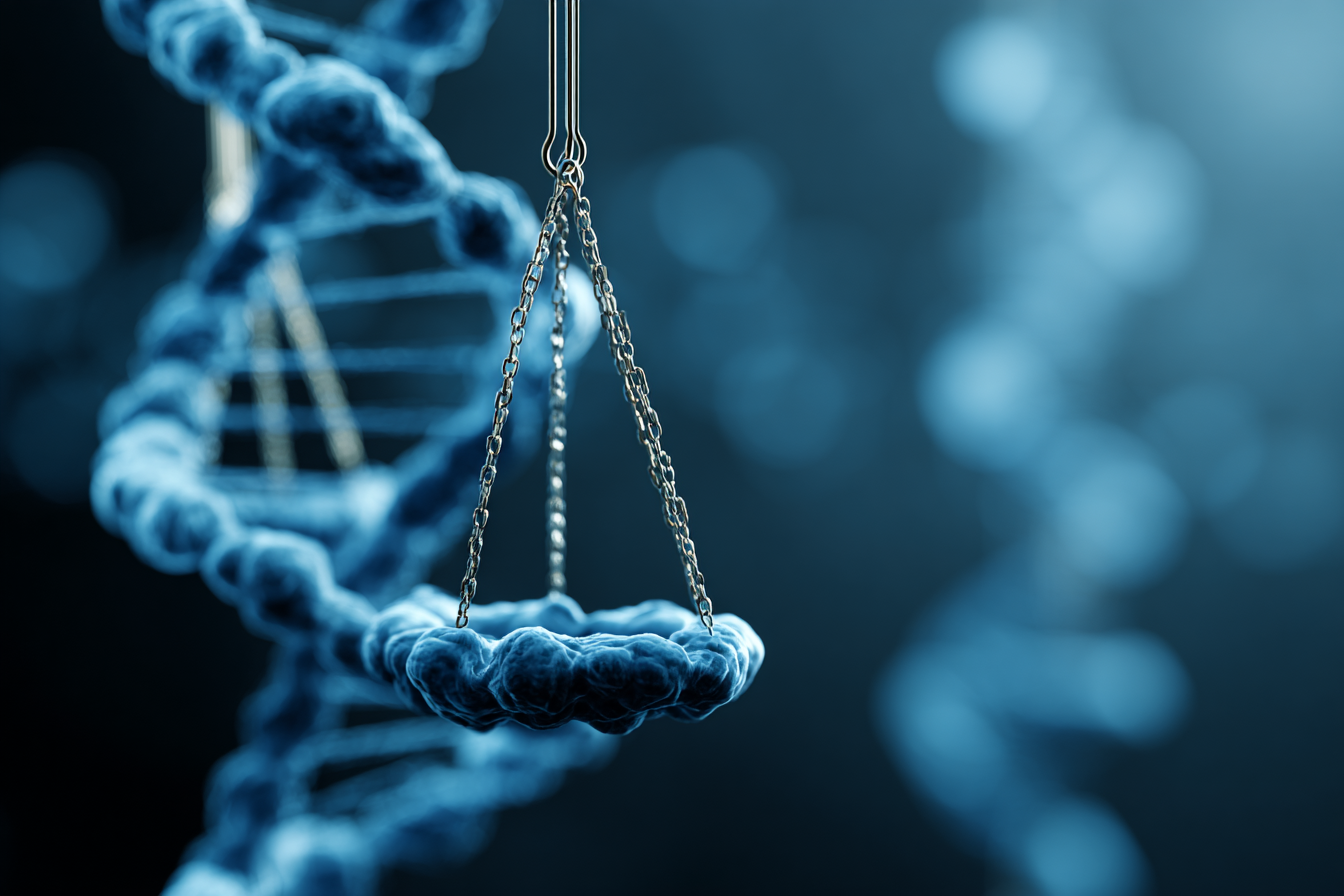
The intersection of science and law
Scientific evidence plays a vital role in modern legal proceedings. It transforms subjective claims into measurable facts and provides courts with objective tools to establish truth. From DNA profiling and digital forensics to environmental testing and chemical analysis, scientific methods are now embedded in almost every area of law.
Yet, integrating science into the courtroom is far from simple. The relationship between legal reasoning and scientific proof is often uneasy — law seeks certainty and clarity, while science accepts doubt, probability, and revision. This tension creates both challenges and opportunities for lawyers, judges, and expert witnesses striving to ensure that evidence serves justice rather than confusion.
The challenge of admissibility
Perhaps the most significant legal hurdle for scientific evidence is its admissibility in court. Not every scientific finding qualifies as valid evidence. Courts must ensure that what is presented as “science” meets rigorous standards of reliability and relevance.
In the United States, this is guided by the Daubert standard, established in Daubert v. Merrell Dow Pharmaceuticals, Inc. (1993). Under this framework, scientific evidence must be based on sound methodology, subject to peer review, and supported by known error rates. It must also be generally accepted within the relevant scientific community.
This standard ensures that speculative or untested theories are excluded from the courtroom. However, it also places a heavy burden on attorneys and expert witnesses to demonstrate that their evidence meets scientific and procedural expectations. Judges act as “gatekeepers,” determining whether the scientific methods used are valid before the jury even hears them.
Interpreting complex scientific data
Even when evidence passes the admissibility test, interpretation remains a major challenge. Scientific data often involves complex statistical models, probabilities, and technical language that can be easily misunderstood or misrepresented.
Attorneys must not only understand the data but also be able to explain it clearly. Misinterpretation can have serious consequences, from wrongful convictions in criminal cases to unjust outcomes in civil disputes. A scientific result that shows a “probability” rather than a certainty can easily be taken out of context if not properly framed.
For example, DNA evidence is highly reliable, but it still carries statistical margins of error. The difference between a “match” and a “partial match” can determine the course of a trial. Effective advocacy therefore requires collaboration between lawyers and experts who can translate technical details into arguments that judges and juries can comprehend.
The communication gap with juries
Perhaps the greatest test of all is communication. Scientific evidence must ultimately persuade a group of jurors — individuals who may have little to no background in science. Presenting complex material in a way that is accurate yet accessible is an art in itself.
Expert witnesses play a central role here. They must strike a balance between simplifying concepts and maintaining scientific integrity. Visual aids, analogies, and clear explanations help bridge the gap, but over-simplification can also distort meaning. Courts increasingly recognize this challenge and encourage attorneys to prepare experts carefully before testimony.
At the same time, judges have become more active in managing how expert evidence is presented. Pre-trial hearings may be used to clarify methodology, define key terms, and ensure that testimony will not mislead the jury. These procedural safeguards reflect the legal system’s evolving effort to handle scientific complexity responsibly.
Opportunities for justice and innovation
Despite the challenges, scientific evidence has transformed the pursuit of justice. In criminal law, it has become an indispensable tool for proving guilt or innocence with unprecedented accuracy. DNA testing, for instance, has not only convicted offenders but also exonerated hundreds of wrongfully accused individuals around the world.
In civil law, scientific methods help establish causation, risk, and damages. Environmental law, product liability, and medical malpractice cases often rely on toxicology, epidemiology, and engineering studies to demonstrate harm. These cases show how science provides a factual foundation for legal accountability.
Moreover, advances in digital forensics and data analytics have created new opportunities for legal investigation. Electronic records, communications metadata, and algorithmic evidence now play central roles in corporate litigation and cybercrime prosecution. As technologies evolve, so too does the capacity of scientific inquiry to uncover truth in complex disputes.
Balancing innovation with reliability
The rapid pace of scientific innovation also presents new ethical and procedural dilemmas. Emerging fields like artificial intelligence, biotechnology, and forensic genetics challenge existing legal frameworks. Courts must determine how to evaluate evidence derived from algorithms or predictive models — tools that may be effective but not yet fully understood even by scientists.
Maintaining balance between innovation and reliability is critical. Law cannot afford to ignore technological progress, but it must also avoid embracing untested science. The solution lies in fostering collaboration between legal professionals and the scientific community, promoting transparency, and ensuring that expert testimony remains grounded in verifiable data.
The evolving partnership between law and science
The dialogue between law and science is becoming more dynamic than ever. Universities, research institutions, and bar associations increasingly promote interdisciplinary training. Many law schools now include courses on forensic science, data privacy, and scientific literacy, helping future lawyers navigate the technical aspects of evidence.
Judges, too, receive specialized education through judicial academies and workshops designed to help them assess complex expert testimony. This shared understanding across professions enhances the quality of decision-making and reinforces public trust in the justice system.
Scientific evidence, when properly managed, strengthens the integrity of the legal process. It provides objectivity in areas where personal bias or emotional judgment might otherwise prevail. By grounding decisions in measurable data, it helps the law keep pace with a world driven by technology and discovery.
A continuing journey toward clarity and truth
The path toward effective use of scientific evidence remains a challenging one. Lawyers must navigate strict admissibility standards, master complex data interpretation, and communicate effectively with lay juries. Scientists, on the other hand, must present their findings with precision and humility, recognizing that their work carries real human consequences in the courtroom.
When these disciplines work together, the results can be transformative. Rigorous methodology, peer-reviewed research, and careful presentation can turn technical findings into powerful instruments of justice. Scientific evidence does not replace human judgment — it refines it, anchoring decisions in reason and reliability.
As law continues to evolve alongside science, the ultimate goal remains constant: to uncover truth and deliver fairness. Through collaboration, transparency, and respect for both disciplines, the courts can harness the full potential of scientific evidence while safeguarding the principles of justice it is meant to serve.