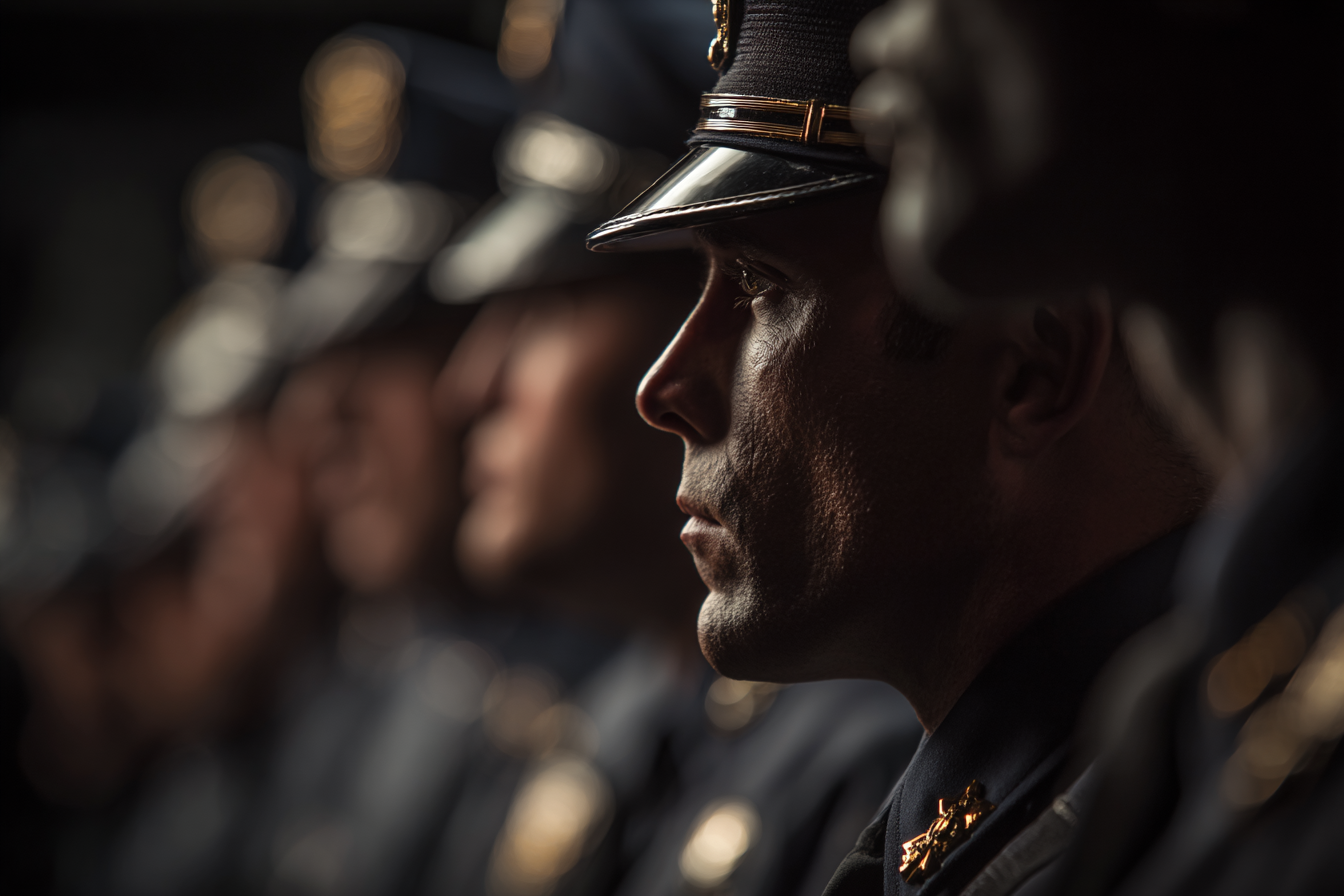
Recognizing those who protect and serve
In a world filled with uncertainty, conflict, and change, few roles carry as much weight as that of a law enforcement officer. These men and women step forward each day to face risks that most people will never experience. They patrol our streets, respond to emergencies, and intervene when danger threatens to reach our homes or workplaces. Their work forms the invisible framework of safety that allows communities to function, yet their contributions are too often overlooked or misunderstood.
Law enforcement is not a profession for the faint-hearted. It demands courage, restraint, and compassion in equal measure. Officers must make split-second decisions that can carry lifelong consequences, all while balancing duty, ethics, and empathy. To serve in law enforcement is to accept a responsibility that goes far beyond routine enforcement of the law—it is to stand as a guardian of order, a responder in times of crisis, and a constant presence in the lives of those they protect.
The making of a protector
Becoming a police officer or deputy requires more than physical fitness or technical skill. It begins with rigorous training that shapes both the body and the mind. Officers study criminal law, crisis management, communication, and ethics. They learn to de-escalate volatile situations, to read human behavior, and to stay calm when chaos unfolds around them.
This preparation, however, is only the beginning. True expertise comes from experience—hours spent on patrol, nights spent handling emergencies, and years spent learning the nuances of human nature. Behind every uniform is a professional who has committed themselves to public service, often at great personal cost.
You can see their dedication in the quiet moments as much as in dramatic ones. The officer directing traffic in the rain, the detective reviewing evidence long after hours, the patrol team checking on a vulnerable neighbor—all reflect a commitment that extends beyond the job description.
The bridge between law and community
Law enforcement officers are more than enforcers of statutes. They are the most visible link between citizens and the justice system. They respond first when someone calls for help, often arriving before other emergency services. In those first critical moments, they don’t just uphold the law—they provide comfort, restore order, and offer hope.
Strong communities depend on trust, and that trust begins with connection. Many officers invest time in community programs, school visits, and neighborhood meetings, where they listen as much as they speak. These interactions build relationships that humanize both sides. When people see their local officers not as distant authority figures but as members of the same community, understanding grows—and with it, safety.
The burden of constant scrutiny
The work of policing is complex, and mistakes can have serious consequences. Because of that, officers operate under intense public scrutiny. Every decision, every action, and every interaction can be recorded, analyzed, and criticized. This accountability is vital for a healthy justice system, but it also takes a toll.
In recent years, the balance between oversight and appreciation has become strained. Many officers report feeling that their sacrifices go unnoticed, or worse, are met with suspicion. Public debate often focuses on errors or controversy, while the daily acts of service—the rescues, the interventions, the countless lives quietly protected—rarely make headlines.
This imbalance can be emotionally exhausting. Officers carry the weight of others’ crises while managing their own. The psychological demands of the job are immense, and yet, day after day, they return to serve. They continue to do the work because they believe in something larger than themselves: the principle that every person deserves safety and justice.
Why recognition matters
Appreciating law enforcement is not about ignoring flaws or avoiding accountability. It’s about acknowledging the courage and sacrifice that the profession demands. Every emergency call answered, every conflict resolved peacefully, and every life saved represents a moment when someone’s dedication made a difference.
Recognition matters because it reinforces the value of service. When officers feel supported by the communities they protect, they are better equipped to perform with empathy, patience, and professionalism. Respect doesn’t erase responsibility—it strengthens it. It reminds everyone involved that law enforcement is not “us versus them,” but a shared effort to uphold the principles that keep society together.
Ways to show support
There are many ways to honor the service of law enforcement. Some are symbolic, others practical, but all are meaningful. Community events, appreciation days, and ceremonies can highlight achievements and foster unity. Small gestures—sending a note of thanks, offering a kind word, or supporting police charities—can carry great emotional weight.
Participation also matters. When citizens join neighborhood watch programs, attend public safety meetings, or take part in ride-alongs, they gain insight into the realities of the job. These interactions build mutual respect and reduce misunderstanding. Law enforcement becomes not an abstract concept, but a human connection between those who serve and those they protect.
Education plays a role as well. Programs like citizen academies and youth outreach initiatives help explain how policing works, what challenges officers face, and how the public can assist. Transparency and engagement turn skepticism into cooperation, creating a safer environment for everyone.
The human side of the badge
Behind every badge is a person—a mother, father, friend, or neighbor—who chose a life of service. They miss family dinners, holidays, and sleep so that others don’t have to. They carry memories of the tragedies they’ve witnessed but still find the strength to continue.
Their work rarely ends when their shift does. Many volunteer off-duty, mentor young people, or engage in community-building efforts that go far beyond their official role. These actions remind us that policing, at its best, is rooted in humanity and compassion.
A shared responsibility
Safety is not something the police create alone—it’s something we build together. Communities thrive when citizens and officers view each other as partners, not opponents. This partnership depends on communication, respect, and the recognition that everyone has a role in maintaining peace.
As President John F. Kennedy once said, “In a free society, law enforcement officers are the guardians of liberty, the most visible symbol of order, and the first line of defense against anarchy and subversion.” Those words still resonate today. The men and women who wear the uniform stand between chaos and calm, often at great personal cost.
By honoring their service, we reaffirm our own commitment to justice, safety, and community. Appreciation is not a gift—it is a responsibility we all share. Because behind every call answered and every crisis averted, there is a human story of courage that deserves to be seen, remembered, and respected.