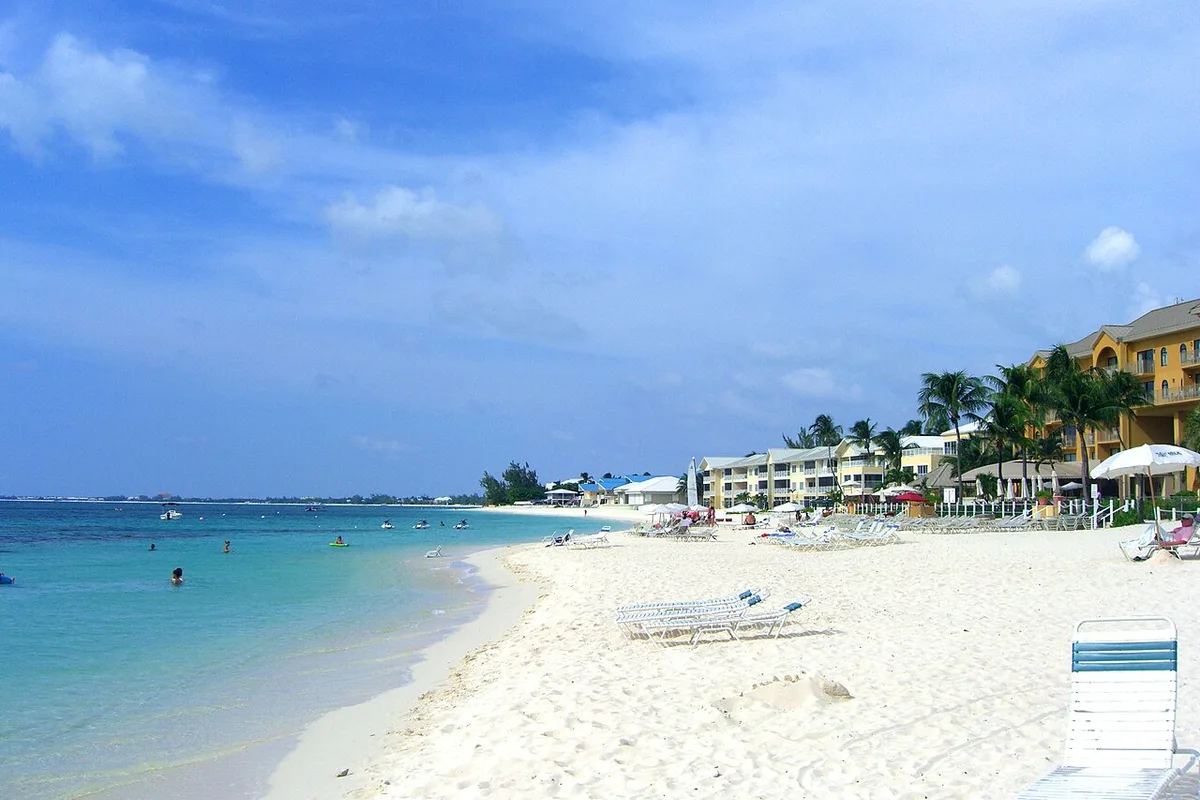
The Cayman Islands is one of the more straightforward Caribbean jurisdictions for foreigners who want to buy property, largely because there is no general restriction on foreign ownership. That does not mean the process is without its own steps and costs, and it helps to understand the basics before making an offer.
No restrictions on foreign ownership
Unlike many other jurisdictions, the Cayman Islands do not impose special restrictions or additional permits on foreign buyers purchasing residential or commercial property. A non-resident can generally buy land or a home outright and hold it in their own name, through a company, or through a trust, in much the same way a Cayman resident can.
This openness is one of the reasons real estate in the Cayman Islands attracts buyers from all over the world, alongside the jurisdiction's political stability and established legal system based on English common law.
The buying process in outline
A typical purchase starts with an agreement between buyer and seller, often set out in a sale agreement negotiated with the help of a local real estate agent. Once terms are agreed, attorneys for both sides usually handle the conveyancing, which includes carrying out searches on the property, confirming title, and preparing the transfer documents.
The Cayman Islands maintains a title registration system, which gives buyers a reasonably high degree of certainty about who legally owns a property and what encumbrances, if any, are registered against it. Because of this, the due diligence process tends to be relatively transparent compared to jurisdictions without a comparable land registry.
Costs to budget for
Buyers should plan for more than just the purchase price. Stamp duty is payable on the transfer of property and is calculated as a percentage of the purchase price or market value, so it is worth checking the current rate and any applicable exemptions with an attorney or the relevant government office before budgeting. Legal fees, registration fees, and, where relevant, real estate agent commissions also factor into the total cost of a purchase.
There is no annual property tax in the Cayman Islands, which is a point that often surprises buyers coming from jurisdictions where recurring property taxes are standard. This absence of ongoing property tax is frequently cited as one of the financial advantages of Cayman real estate ownership.
Financing and practical considerations
Local banks and some international lenders offer mortgages to non-resident buyers, though terms, required deposits, and documentation can differ from what a buyer might expect at home, so it is worth approaching lenders early in the process. Buyers should also consider practical matters such as strata or homeowners' association fees for condominiums, insurance requirements given the islands' exposure to tropical weather, and whether they intend to use the property personally, rent it out, or hold it as a long-term investment.
Given the sums involved and the number of moving parts, most buyers engage a local attorney early in the process, well before signing anything binding.
This article provides general information only and does not constitute legal advice. Anyone planning to buy property in the Cayman Islands should consult a qualified Cayman Islands attorney about their specific transaction.